
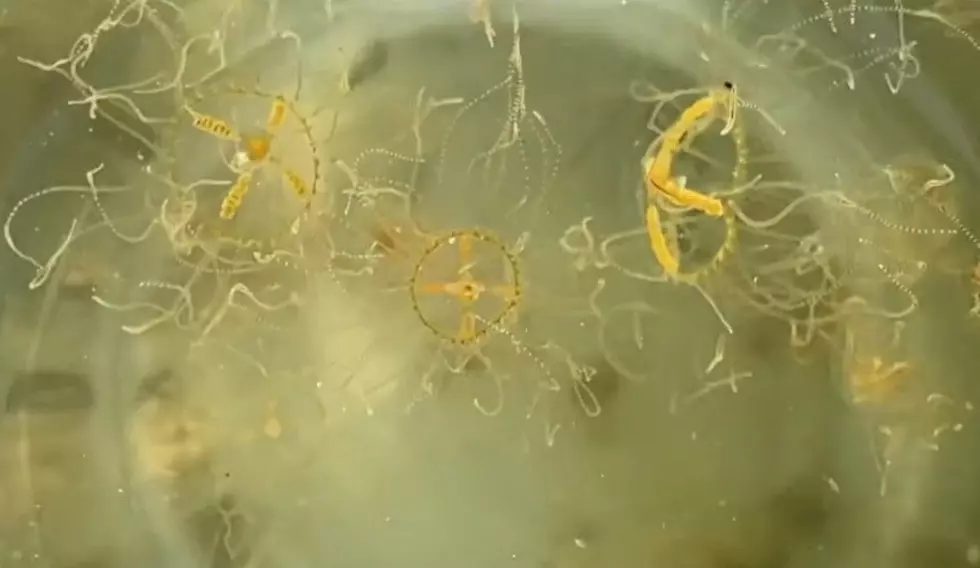
A Tiny Jellyfish Is Back in New Jersey Waters and Its Sting Can Send You to the ER
If you're heading into the water around the Jersey Shore this summer, there's one tiny creature you probably want to know about.
A venomous jellyfish species known as the clinging jellyfish has once again been spotted in New Jersey waters, and experts say its sting can be far more serious than most people realize.
The strange part? You probably wouldn't even see it.
The clinging jellyfish is nearly transparent and only grows to about the size of a dime. Despite its tiny appearance, its sting can cause severe pain, muscle cramps, nausea, breathing problems, and in some cases, a trip to the emergency room.


Why Experts Are Warning New Jersey Swimmers
Marine scientists have been tracking the species in New Jersey since 2016. Since then, hundreds of sightings have been reported in bays and rivers across the state.
One recent incident involved a young child who was stung in Ocean County and reportedly required multiple emergency room visits. Experts say the problem is that many healthcare providers are unfamiliar with how to treat stings from this particular species.
Unlike the common jellyfish most beachgoers think of, the clinging jellyfish releases a powerful neurotoxin when it stings. The pain can be intense and may spread well beyond the area of contact.
Because the jellyfish is nearly invisible in the water, many people don't realize they've encountered one until the symptoms begin.

Where Clinging Jellyfish Are Found in New Jersey
The good news is that you are unlikely to encounter them while swimming at most ocean beaches.
Clinging jellyfish are usually found in shallow back bays, estuaries, and rivers, in water less than four feet deep. They tend to gather around underwater vegetation, especially eelgrass beds, where they attach themselves to plants, shells, and other surfaces.
Experts say late spring and early summer are the peak times to watch for them because they thrive in warmer water temperatures.
READ MORE: Beloved Waterfront Restaurant Is Back After 3 Years
What To Do If You Get Stung
If you believe you've been stung by a clinging jellyfish, experts recommend applying white vinegar immediately. Heat can also help remove any remaining tentacles and reduce the sting's effects.
One important warning: common pain relievers like Advil or Motrin may not provide much relief.
The biggest concern among environmental groups is not just the painful sting. It's the fact that this species is not native to New Jersey waters and continues to appear. They originate in the Pacific.
For anyone spending time in back bays, tidal rivers, or shallow coastal waters this summer, avoiding eelgrass beds may be the simplest way to stay safe. What looks like an ordinary patch of underwater vegetation could be hiding one of the most painful stings found in New Jersey waters.
2026 New Jersey Beach Badge Prices
Gallery Credit: Matt Ryan
